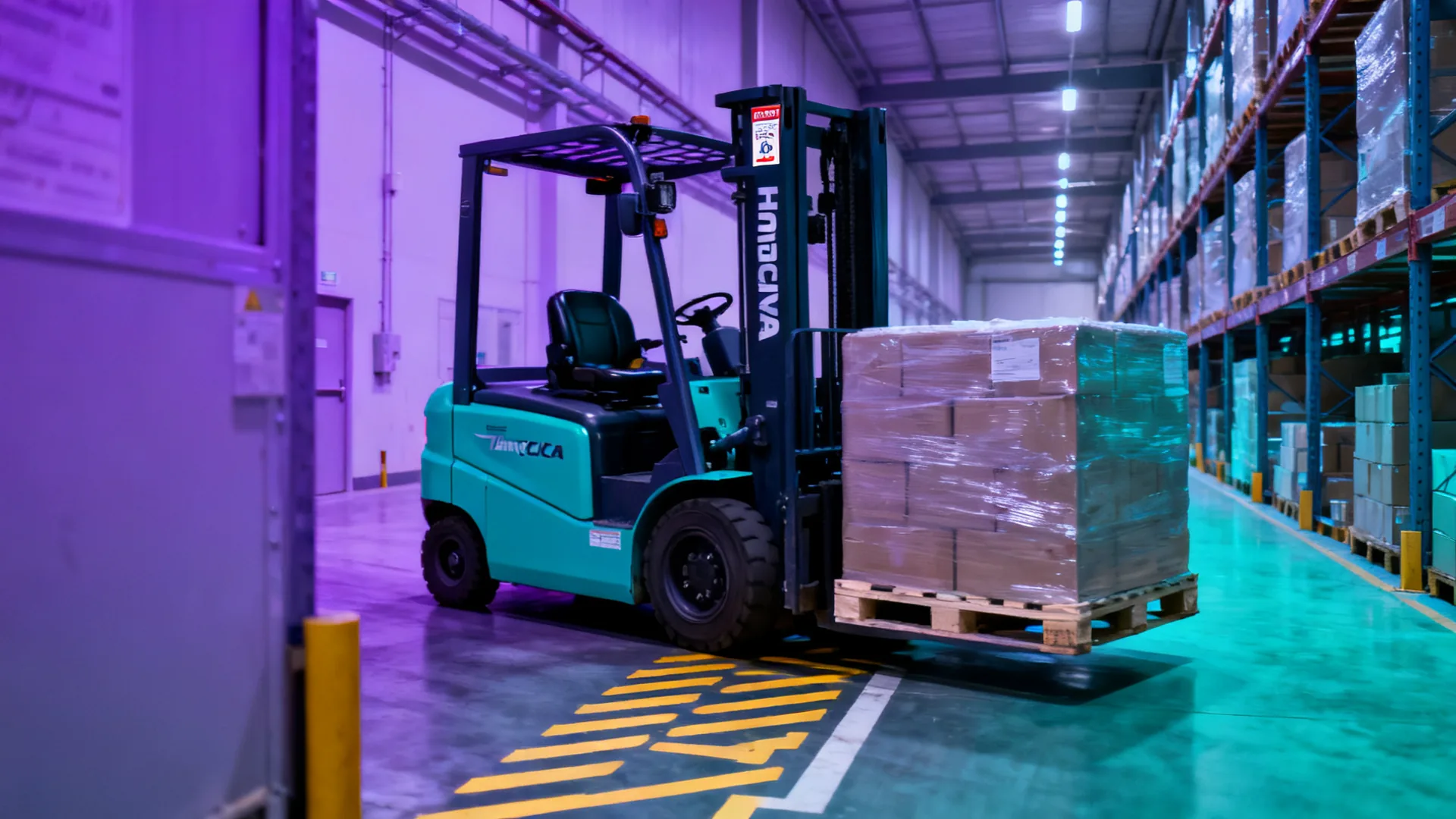
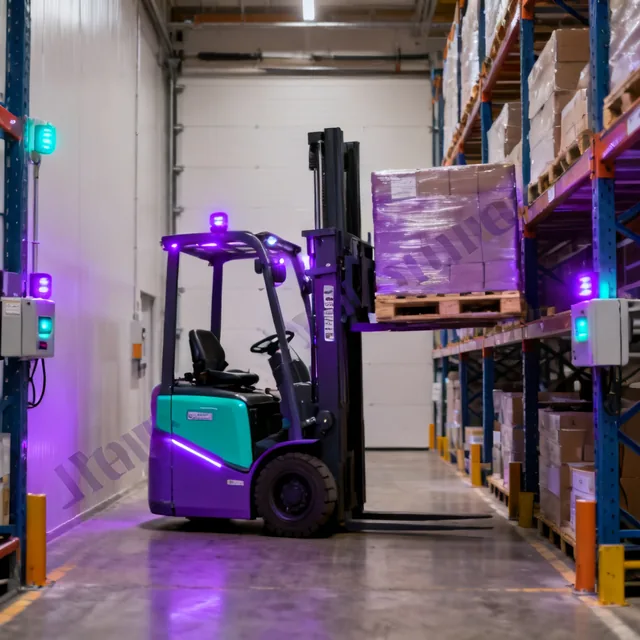
Counterbalance
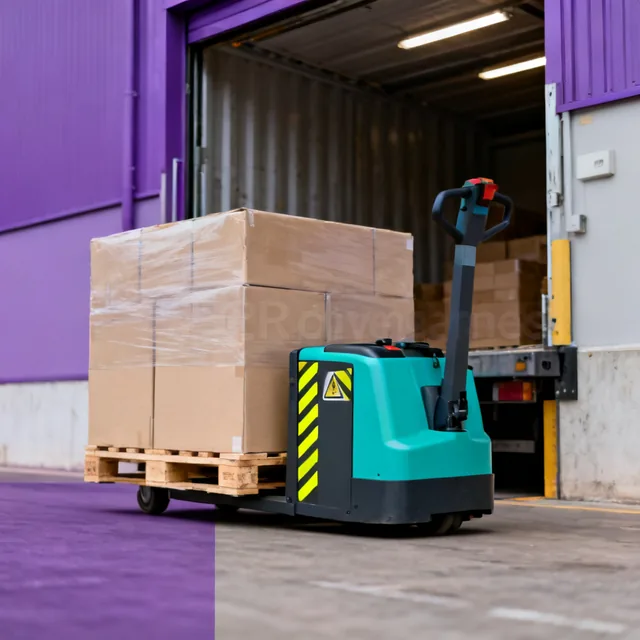
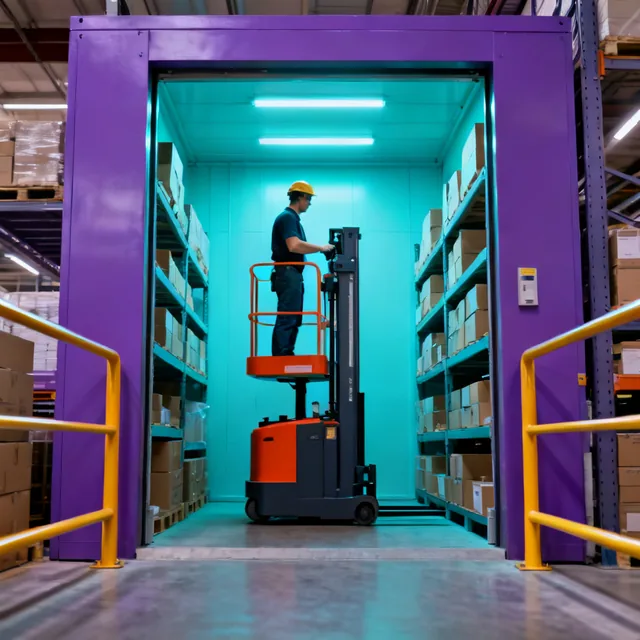
Balance load center, residual capacity, aisle clear width and fleet traffic rules so design rate stays tied to SKU mix, duty cycle and recovery—not a clean-run brochure claim.
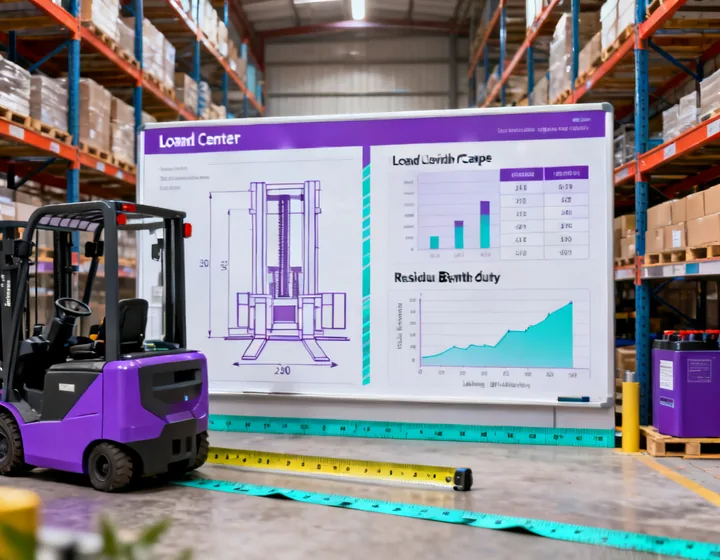
Each workstream converts an operational concern into measurable inputs, safety fields and evidence that procurement, maintenance and EHS can review together.
Limitation: brochure travel speeds and clean-run demos do not prove residual capacity on your floor grade, wireless coverage or peak-window buffer occupancy. Those boundaries stay in the RFQ register until measured.
Selection connects rated load and load center with aisle width, battery or fuel plan, buffer rules and service access.
Each column states one metric, one test boundary and one evidence artifact. Percentages without a measurement method are omitted.
pallets/hour or lines/hour
Boundary: SKU mix, order profile, replenishment, buffer occupancy and exception recovery duration must be named with the rate.
Scenario deck →FAT checklist
Boundary: residual capacity, stability, functional safety fields and interface handshake on the agreed load unit and configuration.
FAT scope →SAT gates
Boundary: aisle clear width, floor condition, charging or fuel plan, traffic rules and cutover windows on the live site.
SAT gates →Recovery path
Boundary: mean time to repair discussed with isolation constraints, critical spares and documented restart authority—not an abstract fleet average.
Service brief →SKU depth, peak factor, temperature and pallet or tote mix change residual capacity, battery behavior and traffic rules. Mobile cards replace the table below 768px.
| Vertical | SKU depth | Peak factor | Temperature | Load-unit mix |
|---|---|---|---|---|
| E-commerce reserve | High SKU velocity bands | Promotional spikes vs sustained windows | Ambient | Pallet + tote handoffs |
| Grocery distribution | Store-sequence depth | Cutoff-driven waves | Ambient / chill staging | Case and pallet mix |
| Cold-chain storage | Moderate SKU sets | Door-open dwell peaks | Frozen / chill rated | Pallet dominant |
| Manufacturing staging | Sequence-critical SKUs | Takt-aligned missions | Plant ambient | Pallet / stillage |
| Multi-client DC | Client-segregated depth | Overlapping client peaks | Zone dependent | Mixed pallet and tote |
High SKU velocity, promotional spikes, ambient pallet and tote handoffs.
Store sequencing, cutoff waves, ambient/chill staging with case and pallet mix.
Door-open dwell peaks, frozen/chill rated trucks, pallet-dominant loads.
Takt-aligned missions, sequence-critical SKUs, pallet or stillage units.
Client-segregated depth, overlapping peaks, mixed load units by zone.
A useful first note identifies load unit, SKU and order profile, peak rate, interfaces and site constraints. Unverified assumptions are logged instead of treated as final facts.
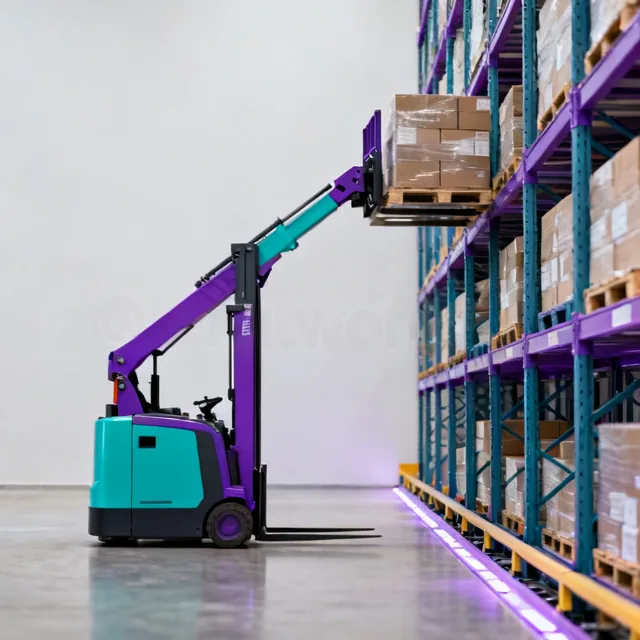
When fixed automation aisles and flexible truck or AMR fleets are both candidates, state the duty-cycle and aisle-width assumptions that favor each path so residual capacity and traffic rules stay honest.
Open contact channel